Chore chart for kids by age (3–12)
A guide for parents · Updated: · Motivasyon TV team
In short: 3–5 short, concrete chores a day are enough for ages 3–5 (brushing teeth, tidying toys), 6–8 for ages 6–8 (bed, school bag, 15–20 minutes of reading) and 8–10 for ages 9–12 (homework, tidy room, helping at the table). Group chores into morning, daytime and evening, respond to every finished chore right away and positively, and try again the next day instead of punishing. That's what makes the routine stick.
Why age-appropriate chores?
A chore a child can't do yet kills motivation, and one that's too easy gets boring fast. A good chore is something your child can do alone, in a few minutes, with a clear “done” at the end. For little ones, “put your toys in the bin” works much better than “clean your room”.
Chore chart for ages 3–5
| When | Chores |
|---|---|
| Morning | Brush teeth · Get dressed (with help) · Finish breakfast |
| Daytime | Put toys in the bin · Draw or color · Use the potty and wash hands |
| Evening | Look at a book / listen to a story · Brush teeth again · Go to bed on time |
At this age 3–5 chores a day are plenty. Since kids can't read yet, showing chores with pictures or icons and praising them out loud really helps.
Chore chart for ages 6–8
| When | Chores |
|---|---|
| Morning | Make the bed · Brush teeth · Get dressed · Go to school |
| Daytime | Wash hands after school · Do homework · Read for 15–20 minutes · Tidy up toys |
| Evening | Pack the school bag · Put clothes away · Stick to screen time · Go to bed on time |
For kids who just started school, “pack your bag” and “homework” chores should only be on school days (weekdays, or evenings before a school day).
Chore chart for ages 9–12
| When | Chores |
|---|---|
| Morning | Make the bed · Clear your plate after breakfast · Get ready for school on time |
| Daytime | Do homework · Read for 20–30 minutes · Tidy your room · Feed the pet / refill its water |
| Evening | Help set the table · Pack tomorrow's bag · Stick to screen time · Go to bed on time |
Kids this age want a say in their own chores. Building the list together increases ownership.
How many chores per day?
- Ages 3–5: 3–5 chores a day
- Ages 6–8: 6–8 chores a day
- Ages 9–12: 8–10 chores a day
Starting small and adding chores as your child gets used to the routine works better than a long list on day one.
How should you reward chores?
- Respond right away. A small “well done” the moment a chore is finished works better than a big reward saved for the weekend.
- Harder chores earn more. Brushing teeth 5, homework 15: kids see their effort count.
- Make streaks visible. Counting days in a row encourages kids to keep going.
- Try again instead of punishing. Rather than taking points away, say “we'll try again tomorrow”; it protects trust, especially at younger ages.
- Separate virtual and real rewards. In-game progress (like a pet that grows) supports intrinsic motivation better than tying every chore to a real gift.
A chore chart on the TV
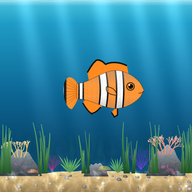
A paper chart on the fridge is easy to ignore. Motivasyon TV turns the chore chart into a virtual aquarium on the family TV: your child presses “I did it!” with the remote, you approve on your phone, and your child's fish is fed and grows. It works on any smart TV with a browser and on Android TV / Google TV, and siblings each have their own fish on the same TV. How to set it up on your TV
Frequently asked questions
How many chores should a child have per day?
As a rough guide: 3–5 short tasks for ages 3–5, 6–8 tasks for ages 6–8 and 8–10 tasks for ages 9–12. Start with fewer and add more as your child gets used to the routine.
Should I take points away when a chore isn't done?
It's better not to. Saying “let's try again tomorrow” instead of taking points away protects trust, especially for younger kids. Immediate, positive feedback for finished tasks works better.
Should chores be linked to real rewards?
Not every chore. In-game progress (like a pet that grows) supports intrinsic motivation; save real rewards for bigger milestones.
Put the chore chart on your TV
Motivasyon TV turns this list into a virtual aquarium on the TV: your child says “I did it!” with the remote, you approve on your phone, and their fish is fed and grows. The chores above come ready by age, and you can change all of them. Free and ad-free.