How to set up a classroom reward system
A guide for teachers · Updated: · Motivasyon TV team
In short: A good classroom reward system starts with 4–6 concrete behaviors, gives each one a small point value explained in advance, and awards points right after the behavior where everyone can see. Points are never taken away; unwanted behavior is discussed separately and calmly. Next to individual points, set a goal the whole class reaches together, so students work together instead of competing. Review the list every week.
A step-by-step classroom reward system
- Pick the behaviors. Write down the 4–6 behaviors you most want to see. Instead of vague phrases like “be good”, pick behaviors you can see, such as “raised a hand to speak” or “turned in homework”.
- Set the point values. Give small values (3–5) for everyday, easy behaviors and bigger ones (10) for behaviors that take effort or courage. Keep it simple; a few values students can remember are enough.
- Share the rules with the class. Post the list or read it together in the first lesson. When students know in advance what earns points, the system feels fair.
- Reward immediately and visibly. Give the point right after the behavior and name the behavior: “Deniz helped a classmate, +10.” Delayed rewards lose their link to the behavior.
- Set a class goal. Next to individual points, set a goal the whole class works toward together (for example a shared activity at the end of the week).
- Review it every week. Is there a student who hasn't earned any points? Has a behavior become a habit? Update the list accordingly.
Which behaviors should you reward?
Behaviors worth rewarding fall into four groups. Picking one or two from each makes not only academic work but also classroom relationships visible.
- Responsibility: turning in homework, coming to class prepared, having supplies ready.
- Social behavior: helping a classmate, waiting for a turn, contributing to group work.
- Classroom routines: raising a hand to speak, keeping the desk and area tidy, quiet transitions.
- Effort and self-regulation: not giving up on a hard problem, fixing a mistake, calming down.
Reward the behavior, not the result. “Kept working on the problem until it was solved” gives a chance to students whose success isn't visible yet, which “got 100 on the test” doesn't.
Sample classroom points chart
The chart below is a starting point for elementary and middle school; adjust the values to fit your class.
| Area | Behavior | Points |
|---|---|---|
| Responsibility | Turned in homework | +5 |
| Responsibility | Came to class prepared | +3 |
| Social | Helped a classmate | +10 |
| Social | Contributed to group work | +5 |
| Routines | Raised a hand to speak | +3 |
| Routines | Tidied desk and area | +3 |
| Effort | Didn't give up on a hard problem | +5 |
| Class goal | Whole class ready on time | +5 each |
Motivation without punishment: why not take points away?
The most common mistake in reward systems is taking earned points back. Removing points turns the system into a punishment tool; when students think they can lose what they earned, their trust drops, and the students who need the most support are usually the ones who lose the most points.
- Name the positive behavior. Say the right behavior out loud, not the wrong one; the class's attention goes to the example.
- Handle unwanted behavior separately. A short, calm one-on-one talk creates less conflict than losing points in front of the class.
- Every day is a fresh start. Don't let a bad day affect the next day's points.
Individual points and a class goal, together
In classes that only use individual points, rankings take over and some students always feel behind. With only class points, individual effort becomes invisible. How to use both:
- Show individual points as each student's own progress, not as a leaderboard.
- Let every student's points count toward the class goal and celebrate shared success together.
- At the end of the day, check whether anyone earned no points, and create a chance for them the next day.
Why use an aquarium or class pet theme?
Linking points to caring for a living thing, instead of showing a number, aims to make rewards concrete and visual. Themes like this usually follow these principles:
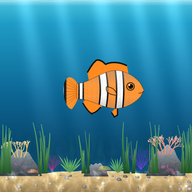
- Instant visual feedback: food dropping for the fish the moment a point is given makes the link between behavior and result visible to the child.
- Care instead of numbers: students think “how is my fish?” instead of “how many points do I have?”; ownership replaces comparison.
- No fear of loss: the fish never dies, it only gets hungry, so the system stays punishment-free.
- A shared space: all the fish swim in the same aquarium, giving the class a moment of looking at something together.
No theme creates motivation on its own; the teacher's consistency, clear rules and fair distribution are what matter.
Common mistakes
- Starting with too many behaviors and not sharing the list with students.
- Giving points hours after the behavior.
- Always rewarding the same students and missing quiet ones.
- Using points as punishment, or taking them away.
- Quietly dropping the system after a few weeks; students notice inconsistency.
Frequently asked questions
Should a classroom reward system take points away?
It's better to make positive behavior visible than to take points away. Removing points a student has earned can shake their trust in the system; a separate, short, calm conversation works better for unwanted behavior.
How many behaviors should I start with?
4–6 concrete behaviors are enough at the start. Add new ones as students learn the list.
Individual points or whole-class points?
Using both gives the best balance: individual points make each student's effort visible, and a class goal gets students working together instead of competing.
Bring this system to your smart board
In Motivasyon TV classroom mode every student's fish swims on the board with their name. When you give a point from your phone, food drops for the fish and the name is said out loud. Free, no student emails.